

Symposium Program
OPEN TO ALL HEALTH CARE PROFESSIONALS
This event will take place virtually on Thursday, February 11, 2027 from 10am to 6pm Eastern Time.
Details are tentative and are subject to change, please visit this page for more up-to-date information.

Dr. Adrian Wagg
Practical pearls in continence care for older adults with dementia and urinary incontinence
Recognize the potential underlying causes of urinary incontinence in older adults living with dementia
Understand the basics of assessment of urinary incontinence for PLWD
Be able to initiate first line management of UI which aligns with person and care partner centred care
Learning Objectives
Dr. Adrian Wagg is a specialist in Geriatric and General Medicine with expertise in health services research. He is a Professor in the Department of Medicine at the University of Alberta, Professor of Continence Sciences at the University of Gothenburg, Sweden and is currently Scientific Director within the Provincial Seniors & Continuing Care portfolio. Dr. Wagg has significant front-line experience in healthcare administration and systems development, a strong knowledge of operational issues and an in-depth perspective of healthcare of older Albertans. His research interests involve improving care for people with urinary incontinence, community engagement and the quality of care for older people in nursing homes.
About Dr. Adrian Wagg
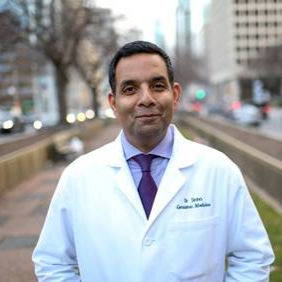
Dr. Samir Sinha
Addressing Dementia in Canada: The Current State, Challenges and Opportunities for Improving Care for People Living with Dementia
Appreciate why 2/3 of people living with dementia in Canada are undiagnosed
Understand the current barriers that exist to helping Canadians receive timely diagnoses and appropriate care
Learn what we need to do to strengthen Canada’s dementia care systems to provide the best possible evidence-based care and support for all Canadians and their caregivers
Learning Objectives
Dr. Samir Sinha is a Geriatrician and Clinician Scientist at Sinai Health System and the University Health Network in Toronto, a Professor of Medicine at the University of Toronto, the Director of Health Policy Research at Toronto Metropolitan University’s National Institute on Ageing, as well as a Fellow of the Canadian Academy of Health Sciences and the Royal Society of Medicine.
A Rhodes Scholar, Samir is a highly regarded clinician and international expert in the care of older adults. As a former member of the Government of Canada’s National Seniors Council and a current member of its Minsterial Advisory Board on Dementia he helped to develop and now oversee Canada’s National Dementia Strategy and recently led the successful development of Canada’s new National Long-Term Care Services Standard.
Internationally, he serves as an Adjunct Professor at the Johns Hopkins University School of Medicine and the International Centre for Future Health Systems at the University of New South Wales. Furthermore, as a longstanding member of the American Red Cross Scientific Advisory Council and a recently appointed member of the Board of Trustees for HelpAge International, he remains committed to supporting the implementation and administration of unique, integrated and innovative models of geriatric care and support that reduce disease burden, improve access and capacity and ultimately promote health.
About Dr. Samir Sinha
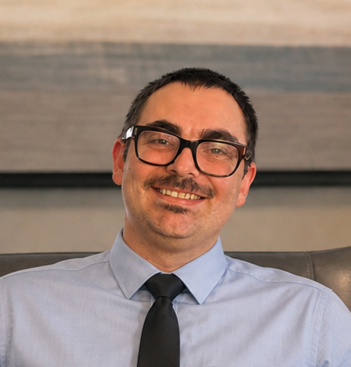
Michael Sposato
Safety First: Supporting Trauma Survivors Living with Dementia
Describe the relationship between psychological trauma and neurocognitive disorders, including why trauma responses often resurface or intensify as cognitive control declines and how they are frequently misidentified as responsive behaviors.
Explain using a polyvagal-informed framework, how autonomic states (social engagement, sympathetic and dorsal vagal) and neuroception of threat drive distress in people living with neurocognitive disorders - and why co-regulation becomes the primary therapeutic pathway as language and memory decline.
Identifying and discussing how medical professionals can incorporate trauma-informed assessment into their practice and trauma-focused strategies mental health professionals can utilize with patients and families applicable within a family health team setting.
Learning Objectives
Michael Sposato is a Registered Social Worker and psychotherapist practicing in Deep River, Ontario where he works across Deep River and District Health's hospital and Family Health Team. He holds a Master of Social Work from the University of Toronto specializing in health and mental health and completed his undergraduate studies at Trent University, possessing an Honors Bachelor of Social Work Degree and Bachelor of Arts in Sociology. His clinical practice centers on trauma-informed care and somatic psychotherapy, with additional expertise in grief and loss, eye movement and desensitization and reprocessing therapy (EMDR), dialectical behavior therapy (DBT), acceptance and commitment therapy (ACT), cognitive processing therapy (CPT) and ego-state therapy.
Before moving into hospital and primary care, Michael built a strong foundation in child welfare, along with school-based social work with the District School Board Ontario North East. This experience across child protection, education, hospital and community health settings informs his integrative, person-centered and recovery-oriented approach to supporting individuals and families through complex life transitions. Michael also serves as a volunteer Local Engagement Ambassador with the Ontario Association of Social Workers for Renfrew County.
About Michael Sposato
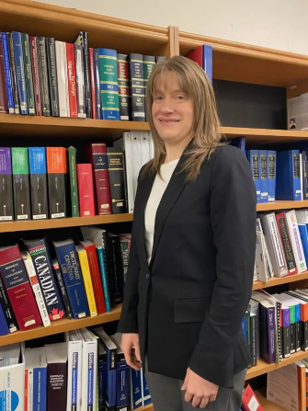
Angela Yennsen
Outsmarting Fraudsters
Identify the major strategies used by fraudsters to scam older adults out of money and real estate
Develop a toolkit of interventions to share with older adults and their substitute decision-makers to prevent fraud
Learning Objectives
Angela Yenssen has been a staff lawyer at the Grey-Bruce Community Legal Clinic and Chair of the Grey Bruce Elder Abuse Prevention Network for six years. She was a social worker who specialized in working with older adults before she became a lawyer. She could not stop some situations of elder abuse she saw as a social worker and went to law school to learn how to use the law to protect seniors from abuse.
Angela is currently the staff lawyer for the elder law project of rural southwestern Ontario. The project covers the counties of Grey, Bruce, Huron, Perth, Brant, Haldimand, and Norfolk. The project includes public education about legal issues that become more prominent as people age, such as powers of attorney. Client services are also available through the project, such as helping people write powers of attorney. The elder law project is funded until January 2028 through a grant provided to the Grey-Bruce Community Legal Clinic by the Law Foundation of Ontario.
About Angela Yennsen
Dr. David Tang-Wai
Language Findings not to Miss
Learning Objectives
Language impairment can occur at any point in any neurodegenerative dementia
Dementias presenting with language impairment are called primary progressive aphasia (PPA) - each with their own defining features:
Logopenic PPA (lvPPA) (60-70% due to Alzheimer’s disease; 30-40% due to FTLD)
Semantic PPA (svPPA) (due to non-tau FTLD)
Non-fluent PPA (nfPPA) (due to tau FTLD)
What and when to recognize other signs and symptoms as the variants of PPA evolve
lvPPA - other cognitive domains similar to AD
svPPA - features of bvFTD +/- MND/ALS
nfPPA - CBS or PSP +/- features of bvFTD +/- MND/ALS
Dr. David Tang-Wai is a behavioural neurologist and co-director of the UHN Memory Clinic. He is also the Department Division Director of Neurology and interim executive director of the Toronto Dementia Research Alliance for the University of Toronto. His academic interests include the atypical presentations of Alzheimer’s disease, autoimmune encephalitis and normal pressure hydrocephalus.
About Dr. David Tang-Wai
Dr. Ryan Muir
TBA
TBA
Learning Objectives
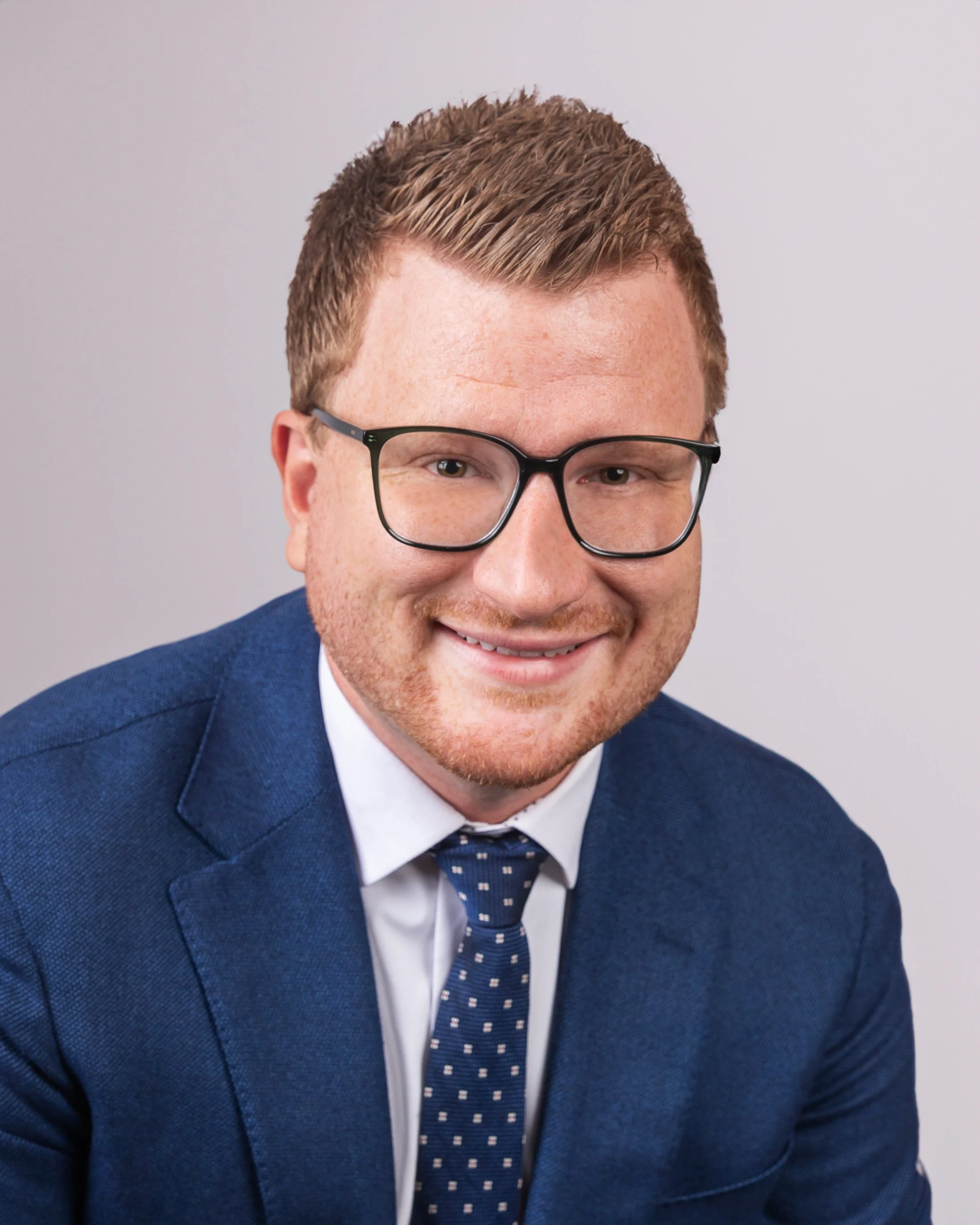
Dr. Ryan T. Muir (MD, MSc, FRCPC, FCSCS) is a Stroke and Cognitive Neurologist at Sunnybrook Health Sciences Centre and is an Assistant Professor at the University of Toronto and Associate Scientist in Evaluative Clinical Sciences program at Sunnybrook Research Institute. Dr. Muir completed his Adult Neurology training at the University of Toronto and then moved to Calgary, Alberta where he completed a Stroke Neurology fellowship in the Calgary Stroke Program and a Master's of Science in Clinical Epidemiology at the University of Calgary. Dr. Muir's clinical focus is on stroke, vascular cognitive disorders and he runs a Cerebral Amyloid Angiopathy (CAA) clinic at Sunnybrook Health Sciences. Dr. Muir has published on plasma biomarkers in CAA and in 2025 was involved in international diagnostic and management recommendations in CAA. Dr. Muir's research interests and foci are in the earlier detection of CAA and predictors future outcomes in patients with CAA.
About Dr. Ryan Muir
Dr. Matthew Burke
Functional Cognitive Disorder: Advancements and Approaches for Navigating Memory Clinic’s Biggest Conundrum
Understand terminology, epidemiology and pathophysiology of functional neurological disorders
Identify patients with functional cognitive disorder based on updated clinical criteria
Develop a framework for the multidisciplinary management of patients with functional cognitive disorder
Learning Objectives
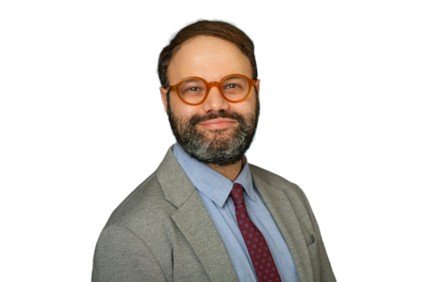
Dr. Matthew Burke is a Behavioural Neurologist at Sunnybrook Health Sciences Center and an Associate Professor at the University of Toronto. He is cross appointed between Departments of Psychiatry and Neurology and holds positions as the Neuropsychiatry Lead for the University of Toronto Neurology Residency Program, Medical Director of Sunnybrook’s Traumatic Brain Injury Program and Co-Director of Sunnybrook’s Functional Neurological Disorders Clinic.
Prior to his current appointments, Dr. Burke completed medical school and neurology residency training at the University of Toronto and then a fellowship in Behavioural Neurology and Neuropsychiatry at Harvard Medical School. Dr. Burke’s research focuses on investigating complex issues at the interfaces of psychiatry, neurology and neuroscience. He has published numerous influential articles on these topics garnering media attention on outlets such as CNN, BBC. The Guardian, Vice, CBC and The Globe and Mail. Dr. Burke’s contributions to emerging areas of neuropsychiatry have also led to several prestigious international awards, including recent recognition with the 2025 American Academy of Neurology Norman Geschwind Prize in Behavioral Neurology.
About Dr. Matthew Burke

Dr. Andrew Frank

Dr. Sandra Black

Dr. Howard Chertkow

Dr. Carmela Tartaglia
Panel: New Disease-Modifying Therapies for Alzheimer’s Disease
1. Describe insights on use of AD blood biomarkers and anti-amyloid therapies
2. Describe a practical approach to informing patients and families about potential benefits and risks of anti-amyloid therapies.
Learning Objectives
About Dr. Andrew Frank
Dr. Andrew Frank is a cognitive/behavioural neurologist and researcher at Bruyère Memory Program at the Élisabeth Bruyère Hospital in Ottawa, Ontario. After finishing his Bachelor’s degree in Honours Biochemistry at the University of Calgary, Dr. Frank completed his M.D. at the University of British Columbia in Vancouver. He completed his residency in Neurology at the University of Ottawa. Following this, Dr. Frank undertook a subspecialty fellowship in Cognitive and Behavioural Neurology at the Mayo Clinic in Rochester, Minnesota. Dr. Frank’s clinical practice is focused on the diagnosis and treatment of neurodegenerative diseases, such as dementia due to Alzheimer’s disease. His clinical interest lies in the early detection of cognitive disorders, such as Mild Cognitive Impairment (MCI). Dr. Frank’s research interest centers on investigating new pharmacologic treatments and technologies for Alzheimer’s disease.
About Dr. Sandra Black
Dr. Sandra E Black is a Professor of Medicine (Neurology Division) at Sunnybrook Health Sciences Centre, University of Toronto, and is an internationally known cognitive and stroke neurologist, actively engaged in > 70 pharma trials in the last 3 decades. She has published >650 peer publications in a research career bridging dementia and stroke, using standardized, cognitive, functional and behavioural measures, and neuropathology to study brain-behavior relationships. Career totals: peer-reviewed: 665 group: 85; invited: 74; abstracts: 924; lectures: 725; H-index: 109 (Scopus) 145 (Google Scholar); GS Citations: 90,541. She was a recipient of the Distinguished Achievement Award of American Academy of Neurology's Society of Cognitive and Behavioural Neurology and also UBC’s 2022 Margolese Brain Disorders prize, recognizing Canadians who have made outstanding contributions to amelioration and treatment of brain disorders. She was also appointed Member of the Order of Ontario in 2011 and Officer in the Order of Canada in 2015 for her contributions to Alzheimer’s disease, stroke and vascular dementia. She is ranked 8th nationally and 281 in the world of the top 1000 female scientists by Research.com, a leading academic platform for researchers (2024).
About Dr. Howard Chertkow
Dr. Chertkow is a cognitive neurologist at the Baycrest Health Sciences Centre. He is a Senior Scientist and Chair in Cognitive Neurology and Innovation at the Baycrest Academy for Research and Innovation. He is a Professor in the Dept. of Medicine (Neurology) at University of Toronto. At Baycrest he is also director of the new Bank Family Clinical Trials Research Unit and the Kimel Family Centre for Brain Health. His major areas of research interest include early diagnosis of Alzheimer’s Disease, and therapy of dementia using neuromodulation approaches such as transcranial direct current stimulation. Dr. Chertkow is Scientific Director for the Canadian Consortium on Neurodegeneration in Aging (CCNA), a national organization established by the Canadian government via CIHR and partners.
About Dr. Carmela Tartaglia
Dr. Tartaglia is a Professor at the University of Toronto and a cognitive-behavioral neurologist at the UHN Memory Clinic where she sees patients with neurodegenerative diseases and persistent symptoms of concussion. Her research interests lie in early detection of co-pathologies in patients with neurodegenerative disease. She holds the Marion and Gerald Soloway Chair in Brain Injury and Concussion Research.